Stability Before Computation - A Chronological Record
id
2601194302574
title
Stability Before Computation - A Chronological Record
date
01/19/2026
text
STABILITY BEFORE COMPUTATION
A Chronological Record

-----

Nature — Before Humans
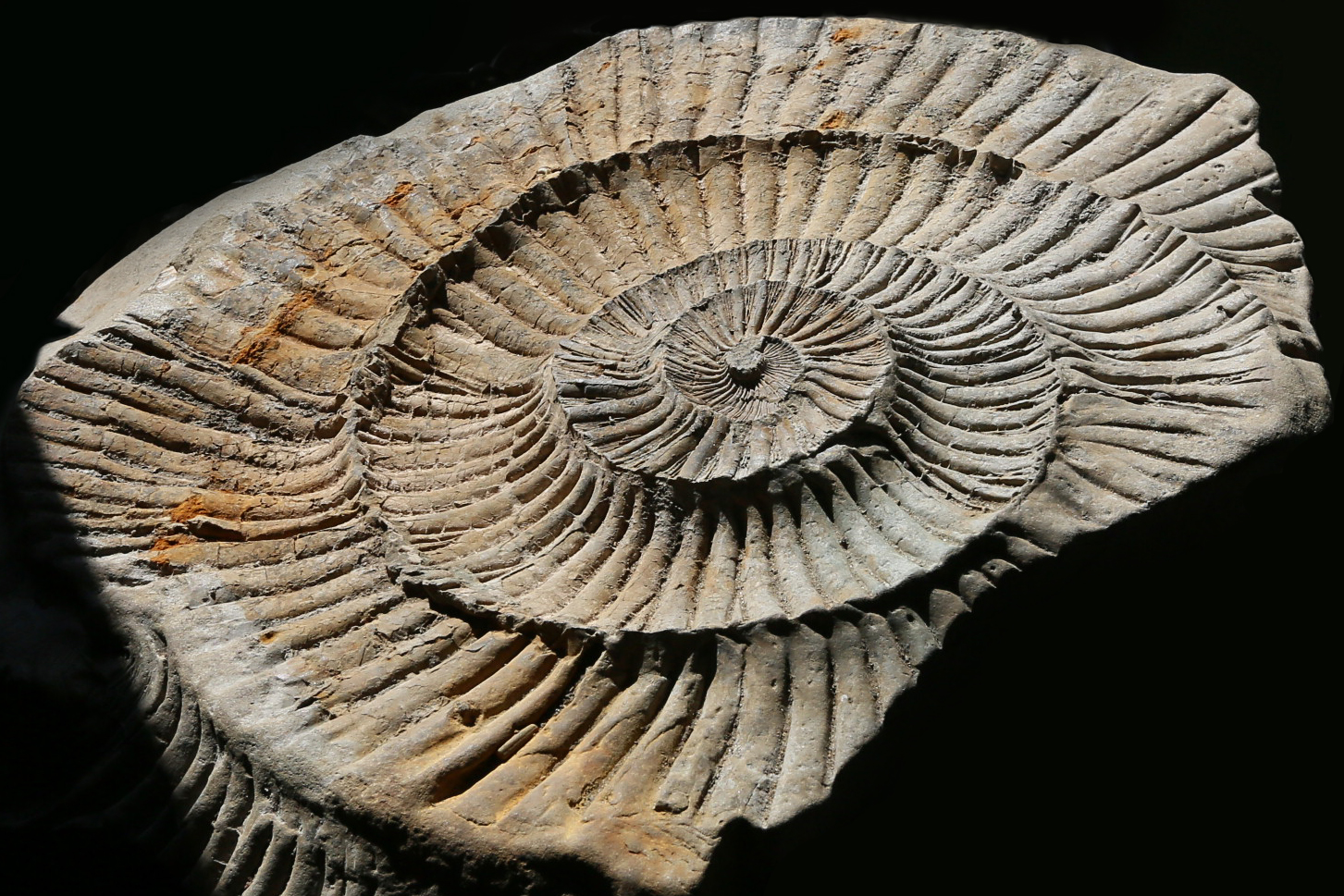
Ammonites and Shells (~400 million years ago)

Life encountered a constraint before it encountered thought.

Ammonites grew by repeating one action:
add material while preserving form.

Nothing resets.
Each layer remembers the previous one.

This is not design.
It is survival through repetition.

-----

Early Human Recognition — Japan
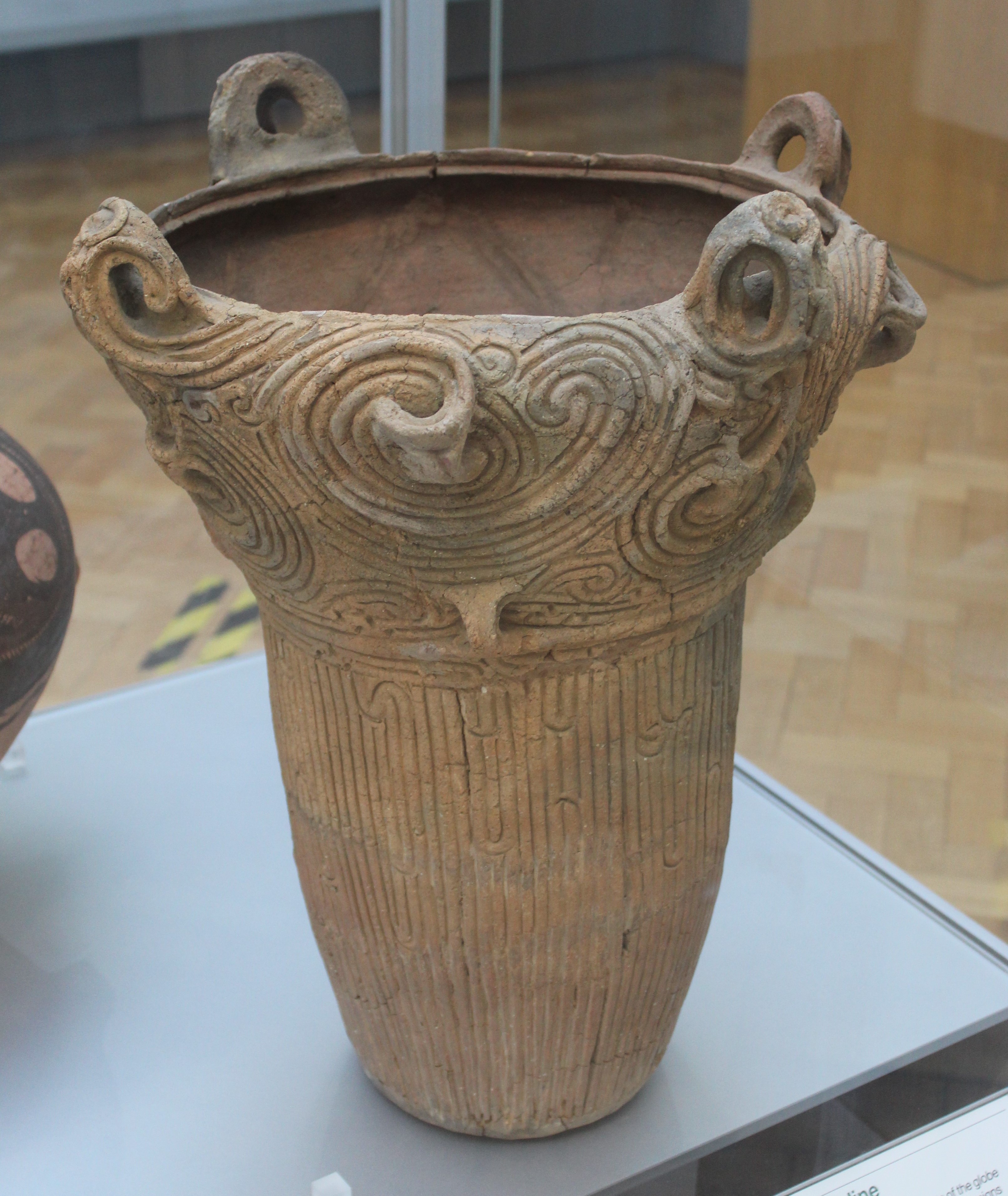
Jomon Pottery (~14,000–300 BCE)

Among the earliest pottery traditions on Earth,
spirals appear on clay vessels.

An isolated island culture.
No external influence.

Hands follow curves that hold.
Clay remembers motion.

-----

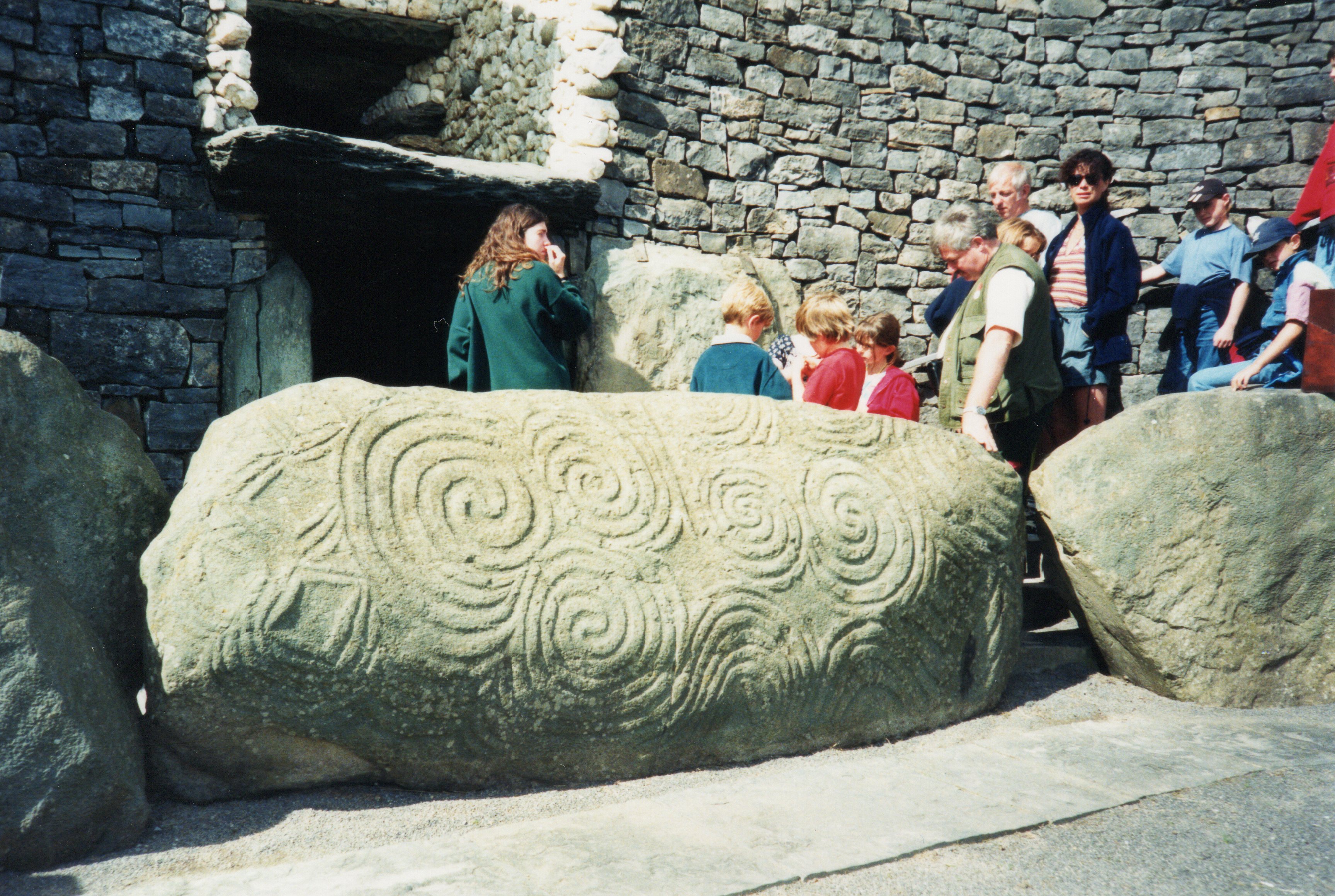
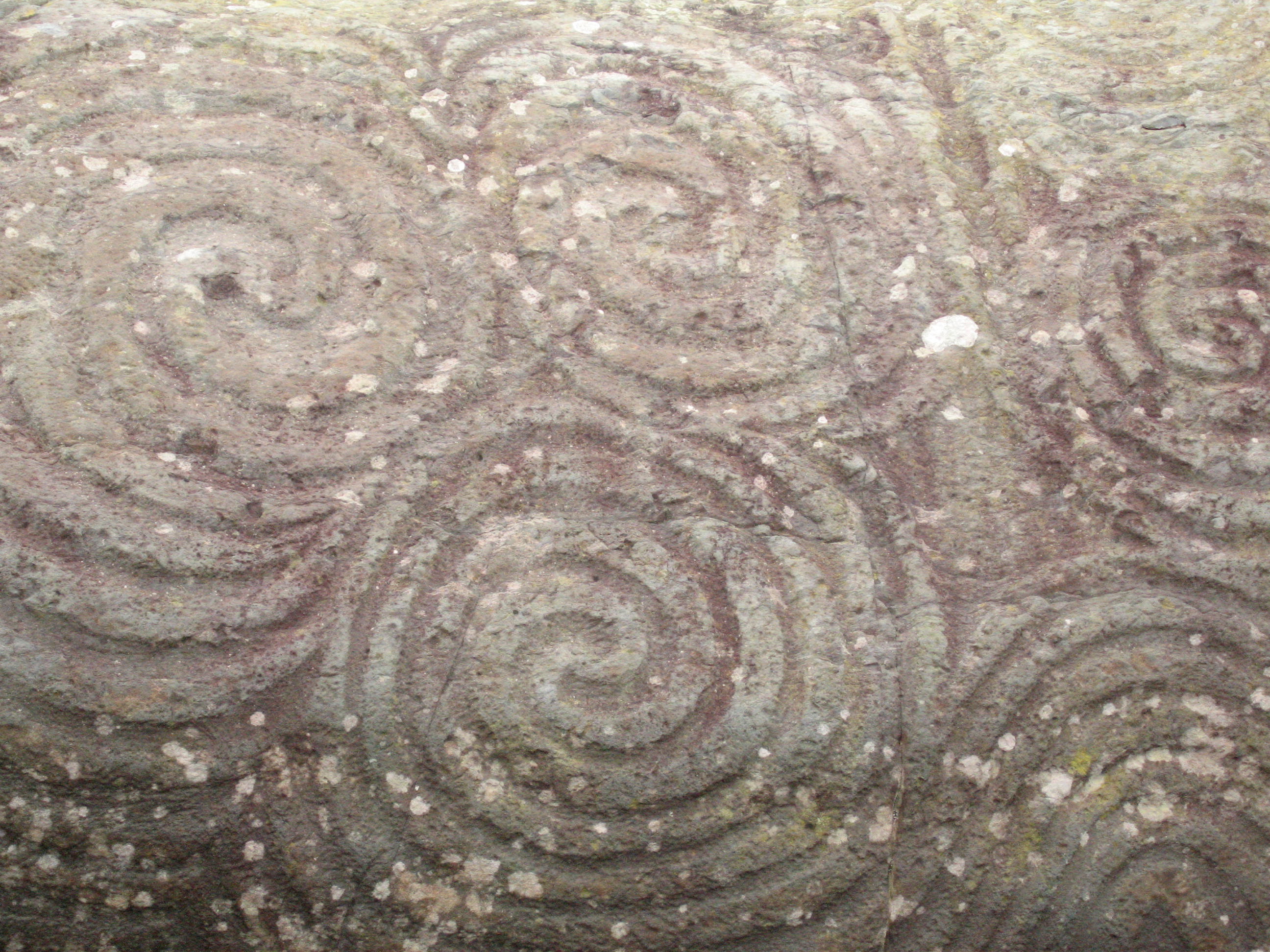
Megalithic Europe — Ireland
Newgrange, Bru na Boinne (~3200 BCE)

Before writing.
Before pyramids.

Massive stones carved with spirals
mark a threshold between life and death.

Not a loop.
A passage that deepens.

-----

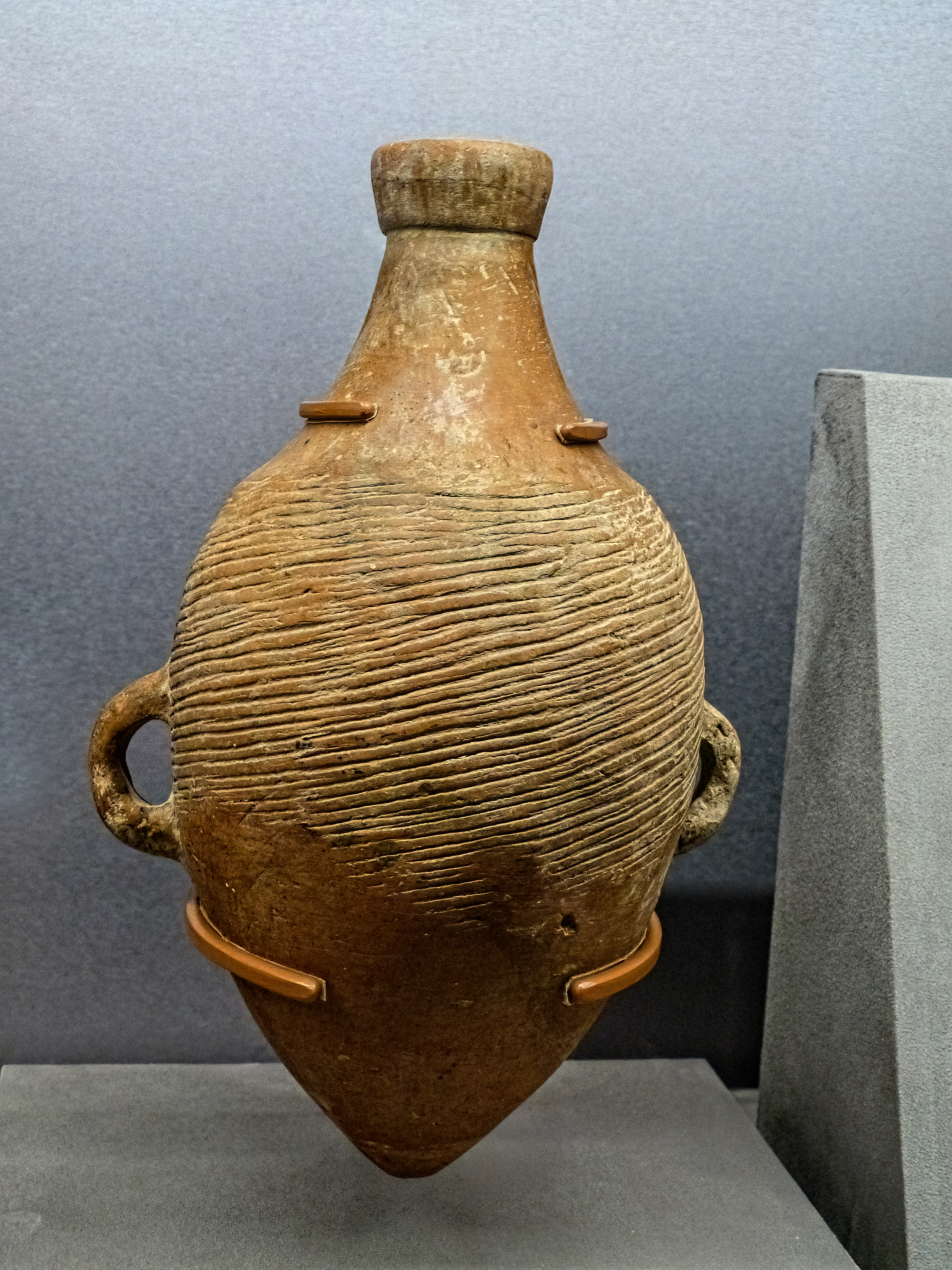
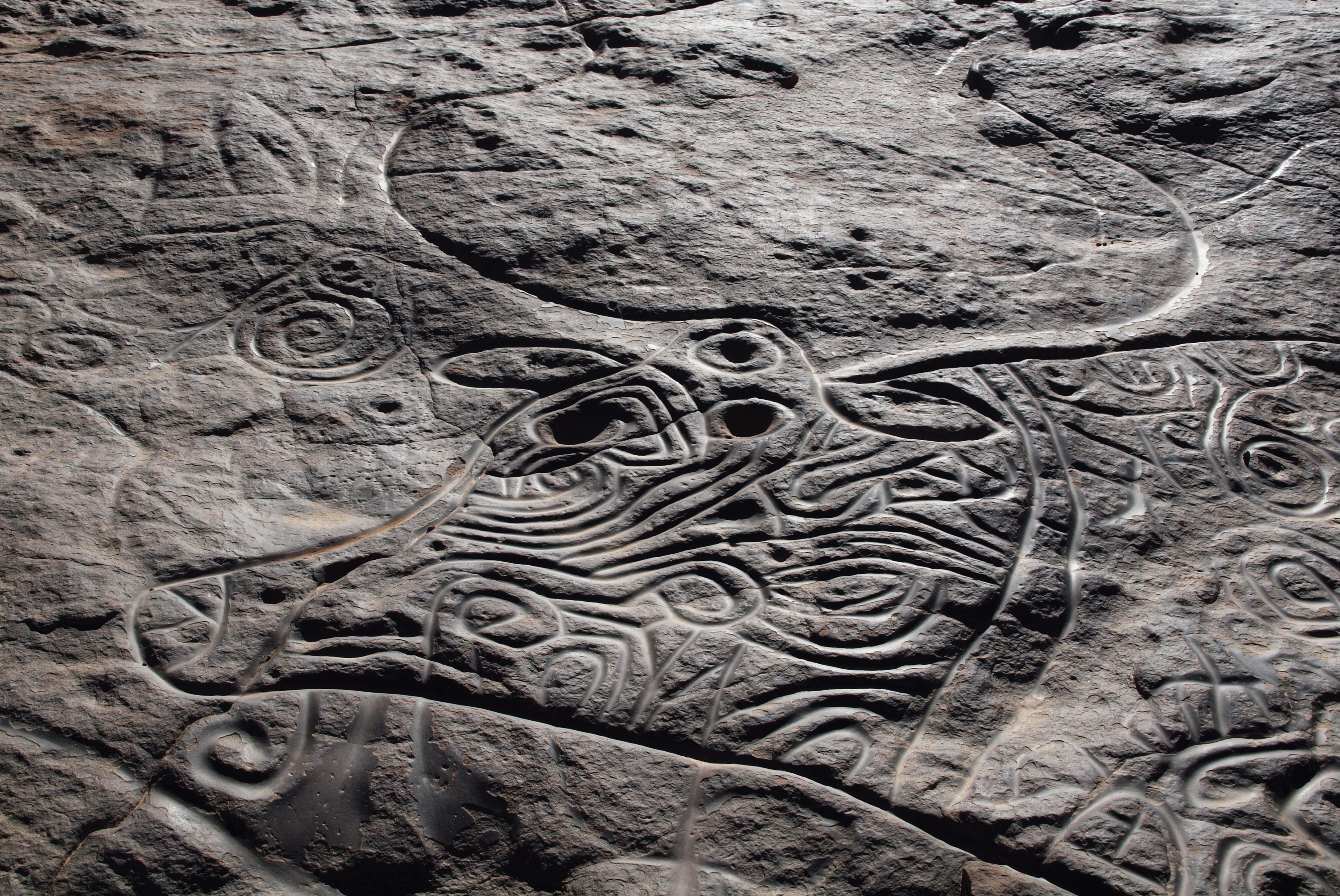
Neolithic Asia & Africa
Banpo Pottery (China) / Saharan Rock Art (~4800–2000 BCE)

Different continents.
Different materials.

Spirals appear on burial vessels and open rock.

The pattern does not travel.
It reappears.

-----

Early Urban Worlds
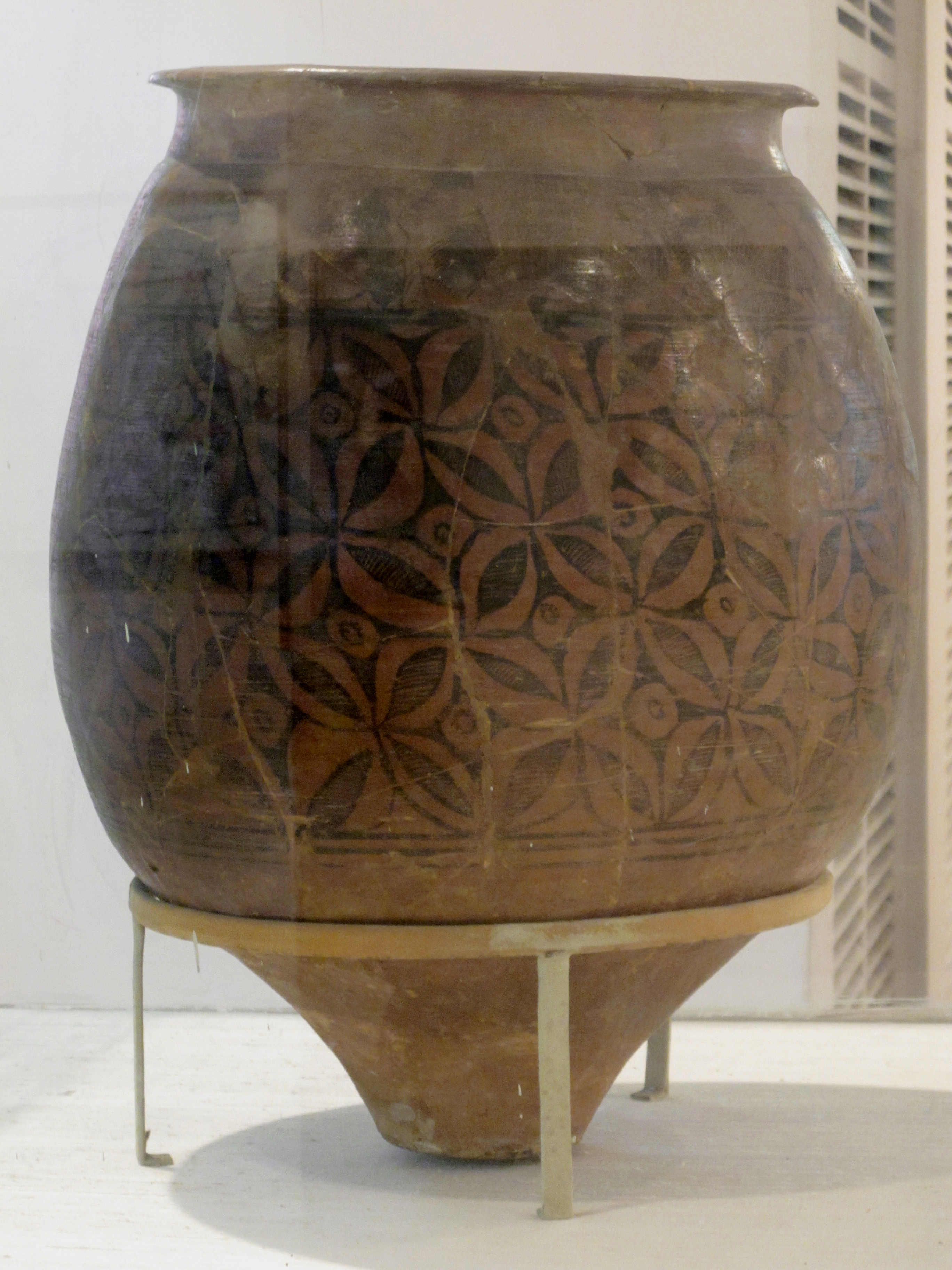
Indus Valley / Mesopotamia (~3300–2000 BCE)

In the Indus Valley, spirals remain
even when writing disappears.

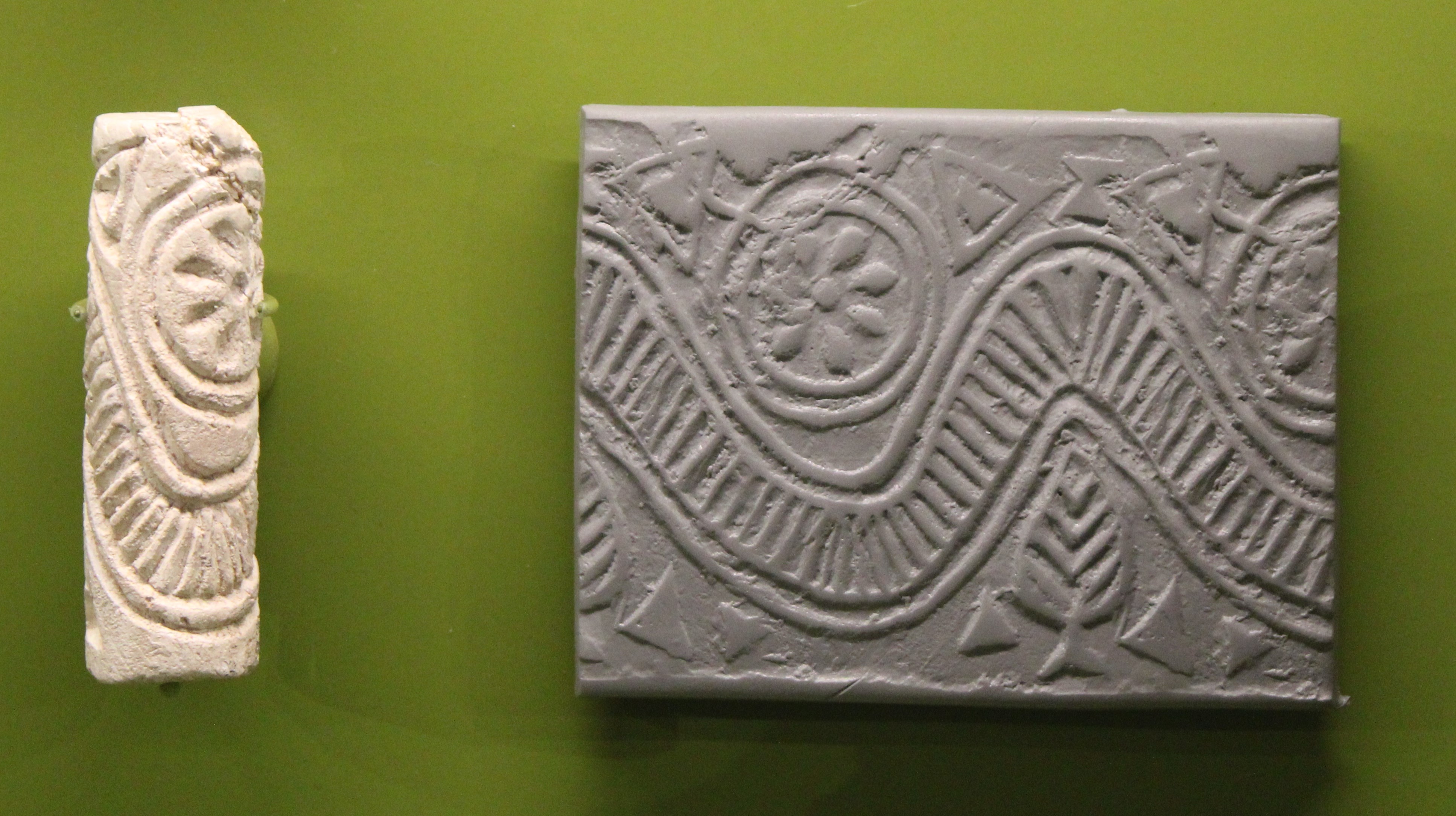
In Mesopotamia, the spiral becomes mechanical:
a rule engraved once, rolled endlessly.

One law.
Many executions.
One stable outcome.

-----

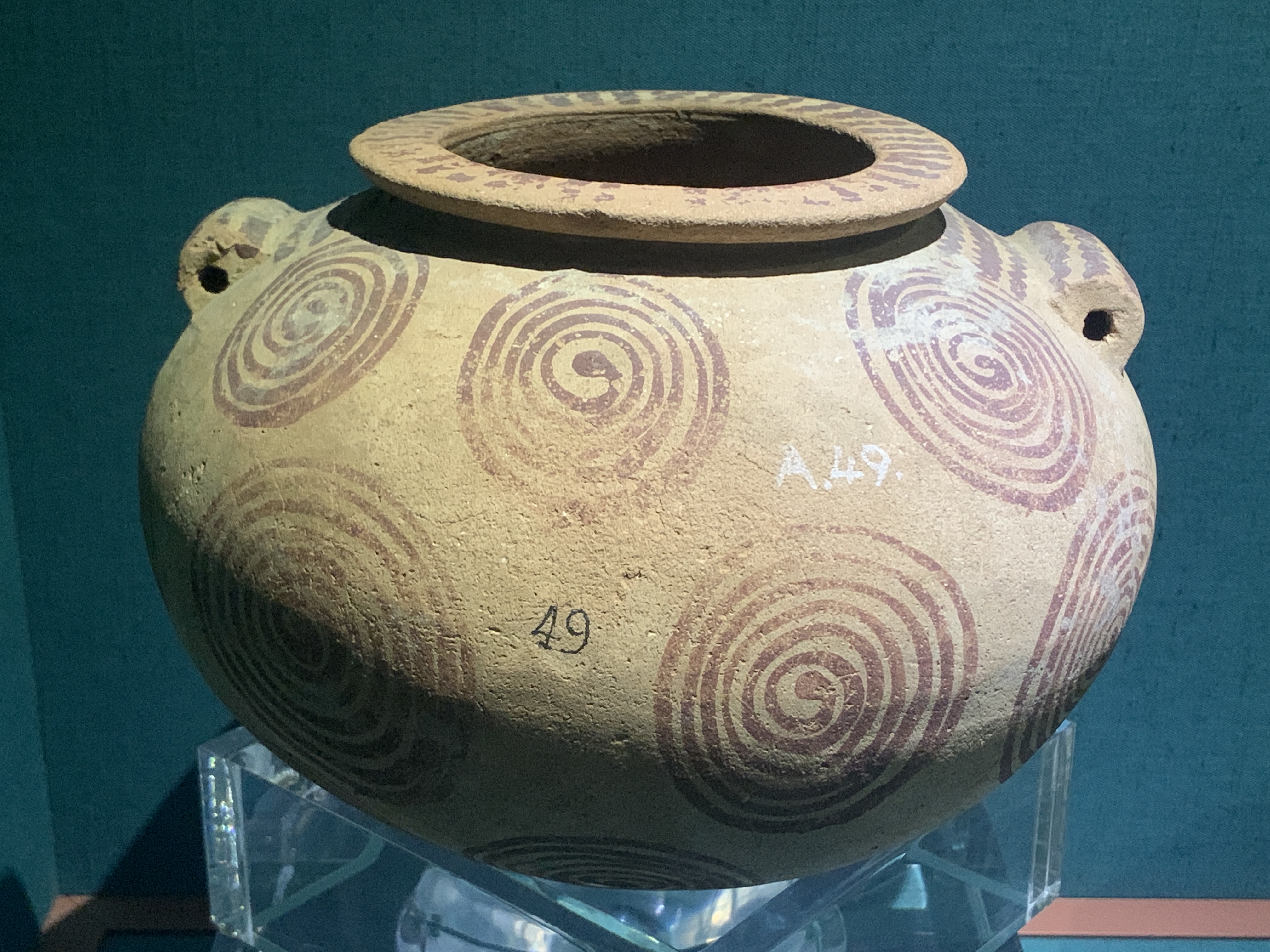
Nubian Culture
Naqada II Period (~3500–3200 BCE)

Spirals painted on pottery vessels in the Nile Valley.

A visual language preceding hieroglyphs.

-----

Egypt
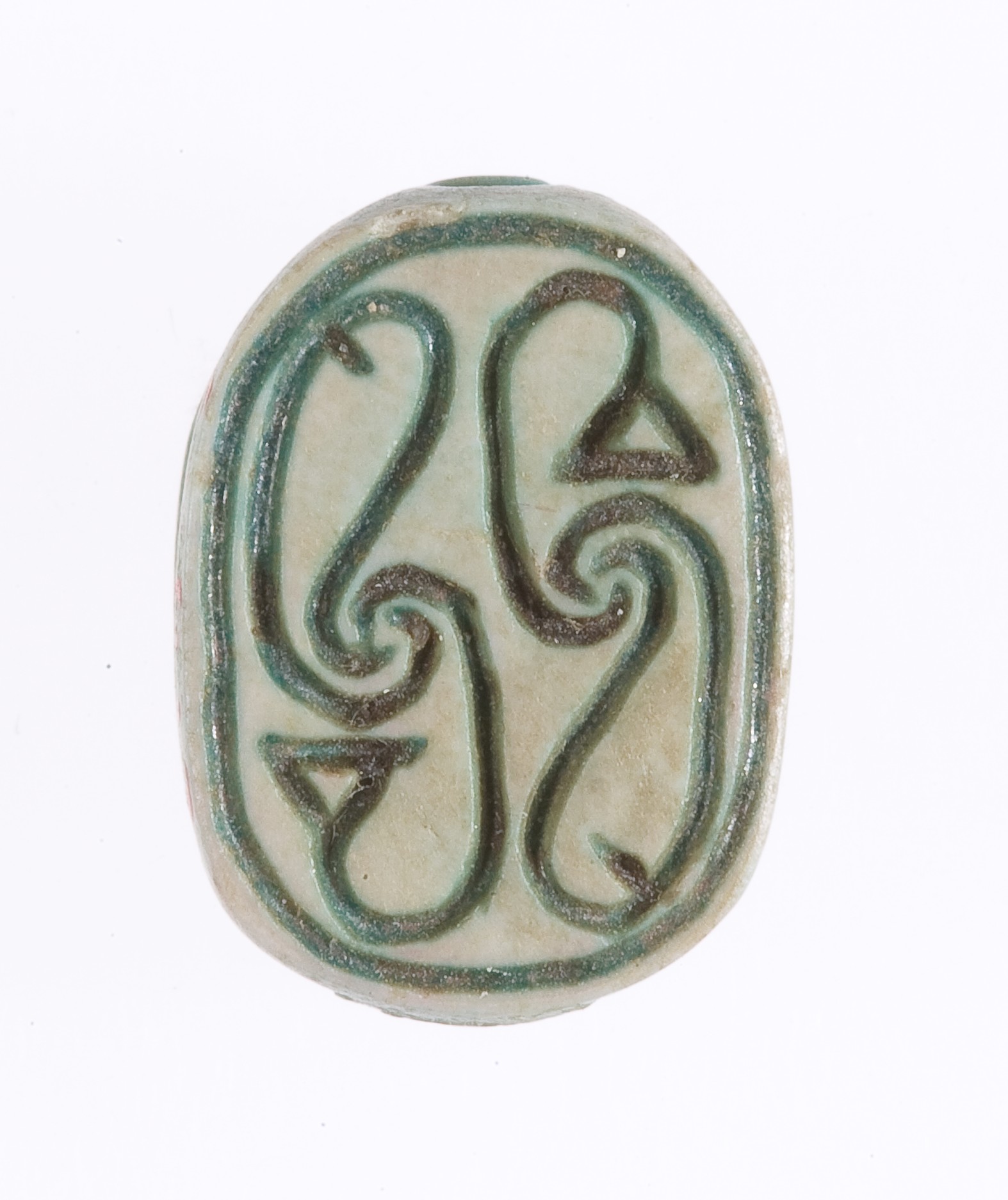
Lotus and Scarab (~2500–1000 BCE)

Egyptian symbolism is not circular.

Death leads to rebirth,
but never to the same state.

The form returns.
The context deepens.

-----

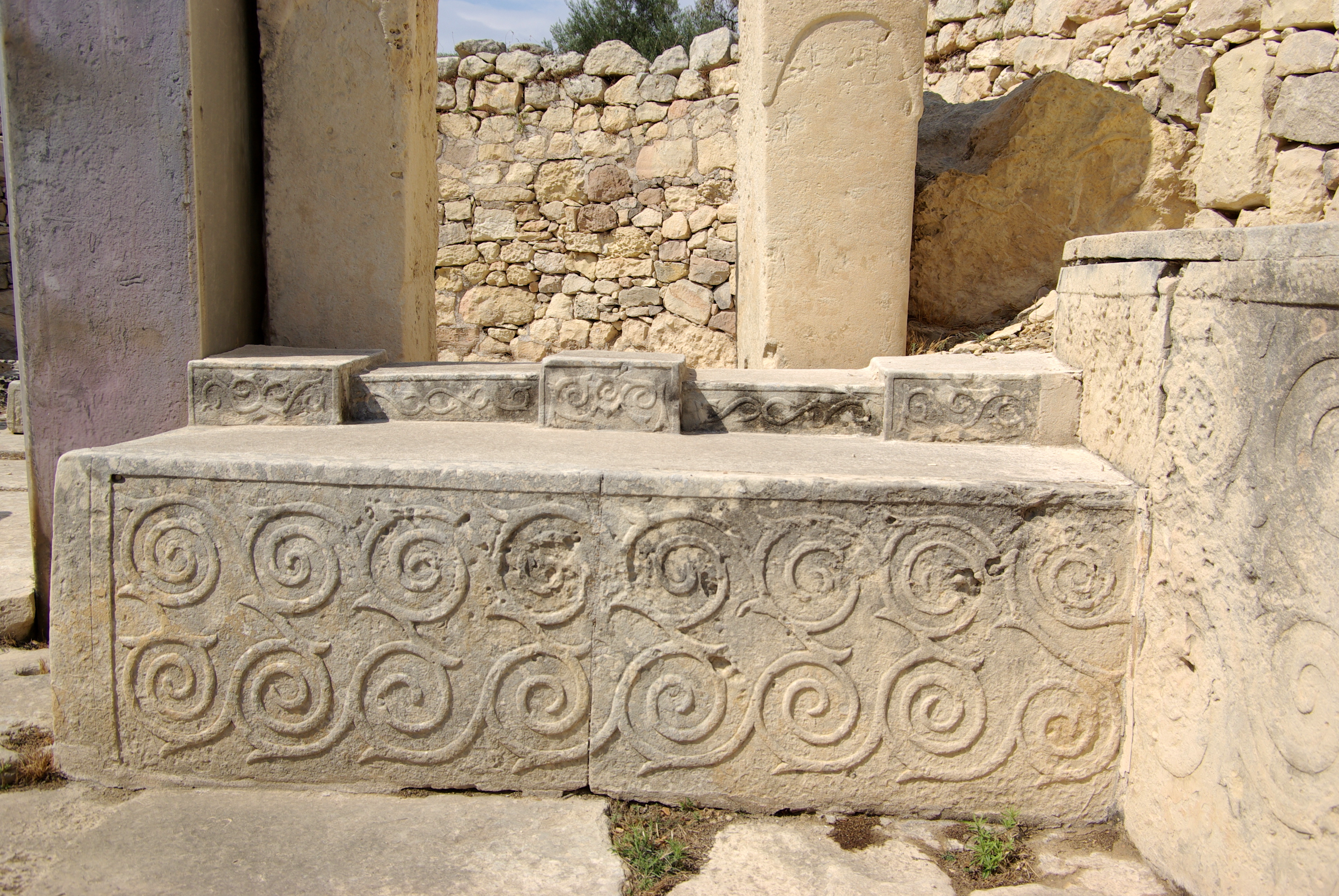
Malta
Tarxien Temples (~3150–2500 BCE)

Stone temples carved with running spirals.

A Mediterranean center of megalithic culture.

-----

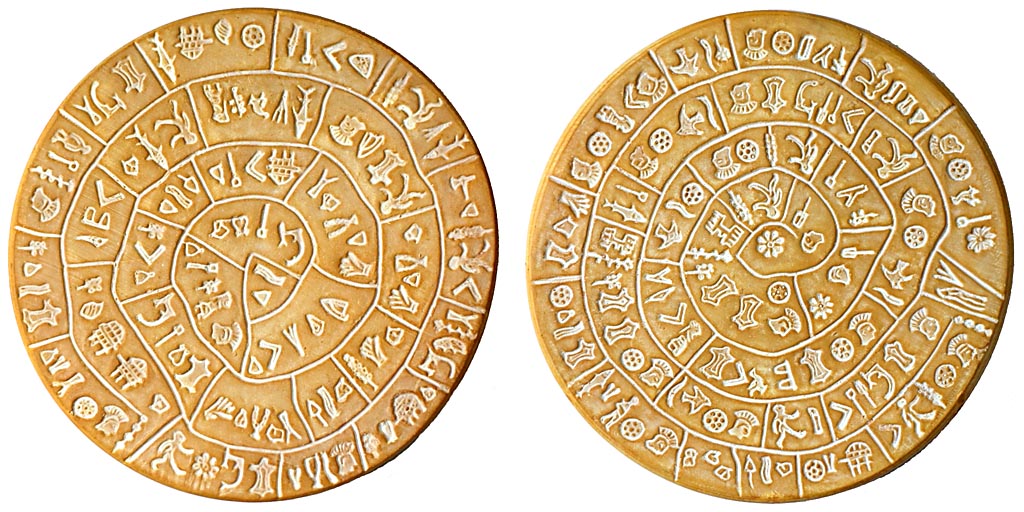
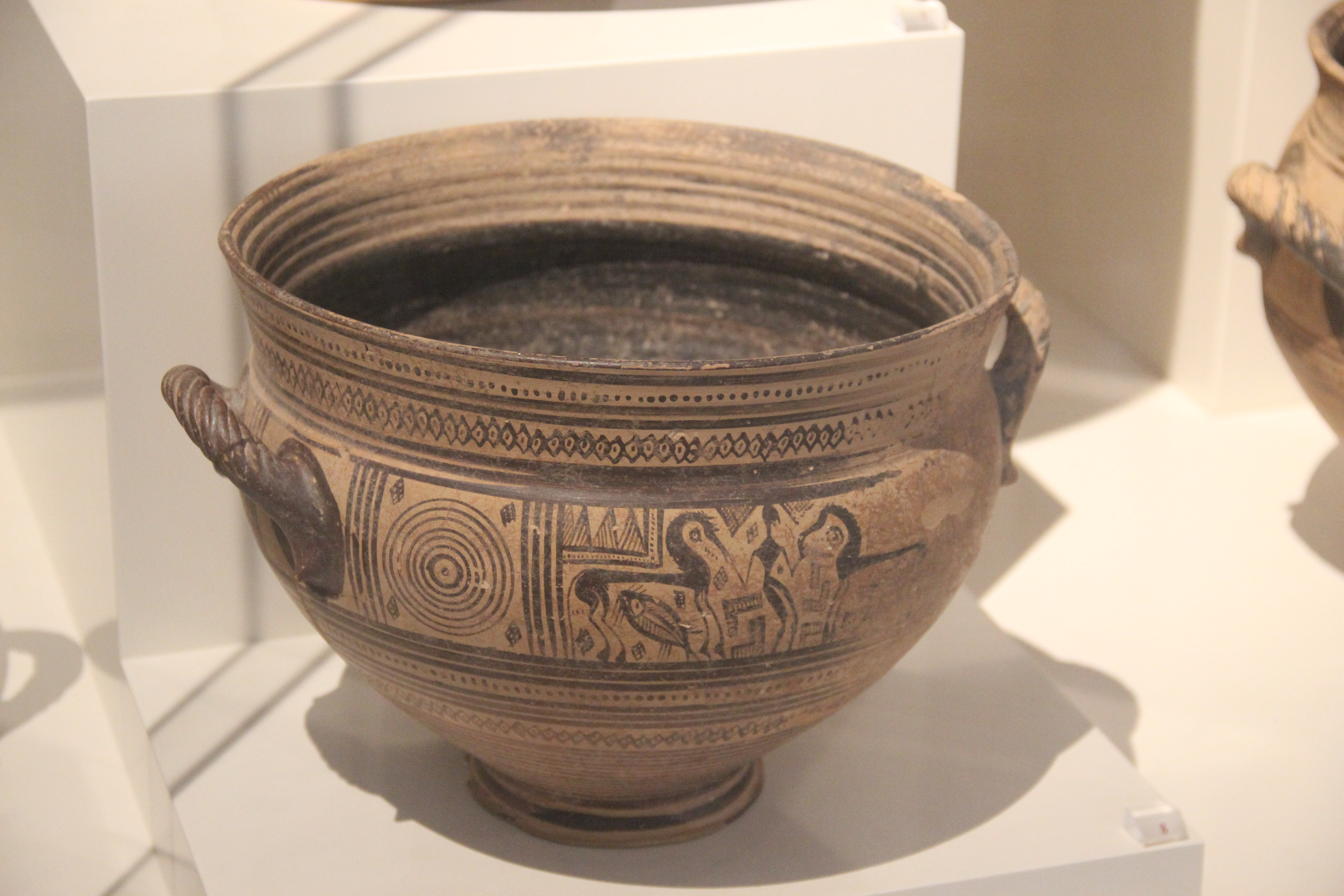
Mediterranean Synthesis
Minoan Crete / Greece (~2000–700 BCE)

Symbols follow spiral paths.
Pottery fills space with spirals within spirals.

The form becomes systematic.
Almost analytical.

No longer one symbol —
a field of stability tests.

-----


Independent Americas
Hohokam / Nazca (~500 BCE–1450 CE)

Desert cultures carve spirals into stone
and draw them across entire landscapes.

No contact with the Old World.
Same geometry.

Scarcity teaches structure.

-----

Europe
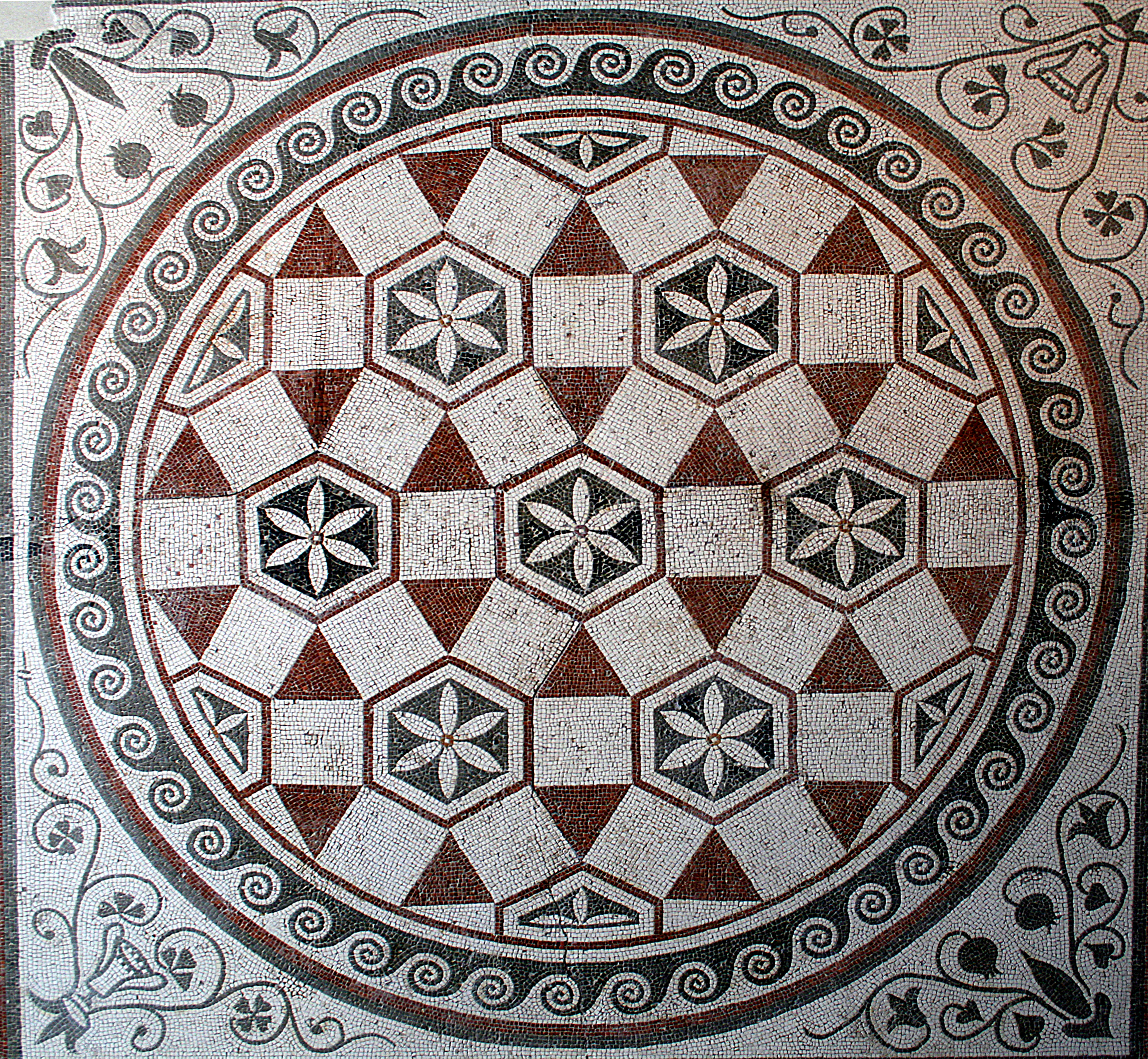
Celtic Art / Roman Mosaics (~500 BCE–300 CE)

Spirals flow through metal, stone, and floors.

Rome tiles space with repeated units:
each tile local,
the pattern global.

The question is no longer beauty,
but coherence.

-----

Living Continuity
Maori Koru (~1300 CE–present)

The unfurling fern.

Growth, return, renewal —
observed, not theorized.

One of the last settled lands.
The spiral arrives anyway.

-----

Formalization
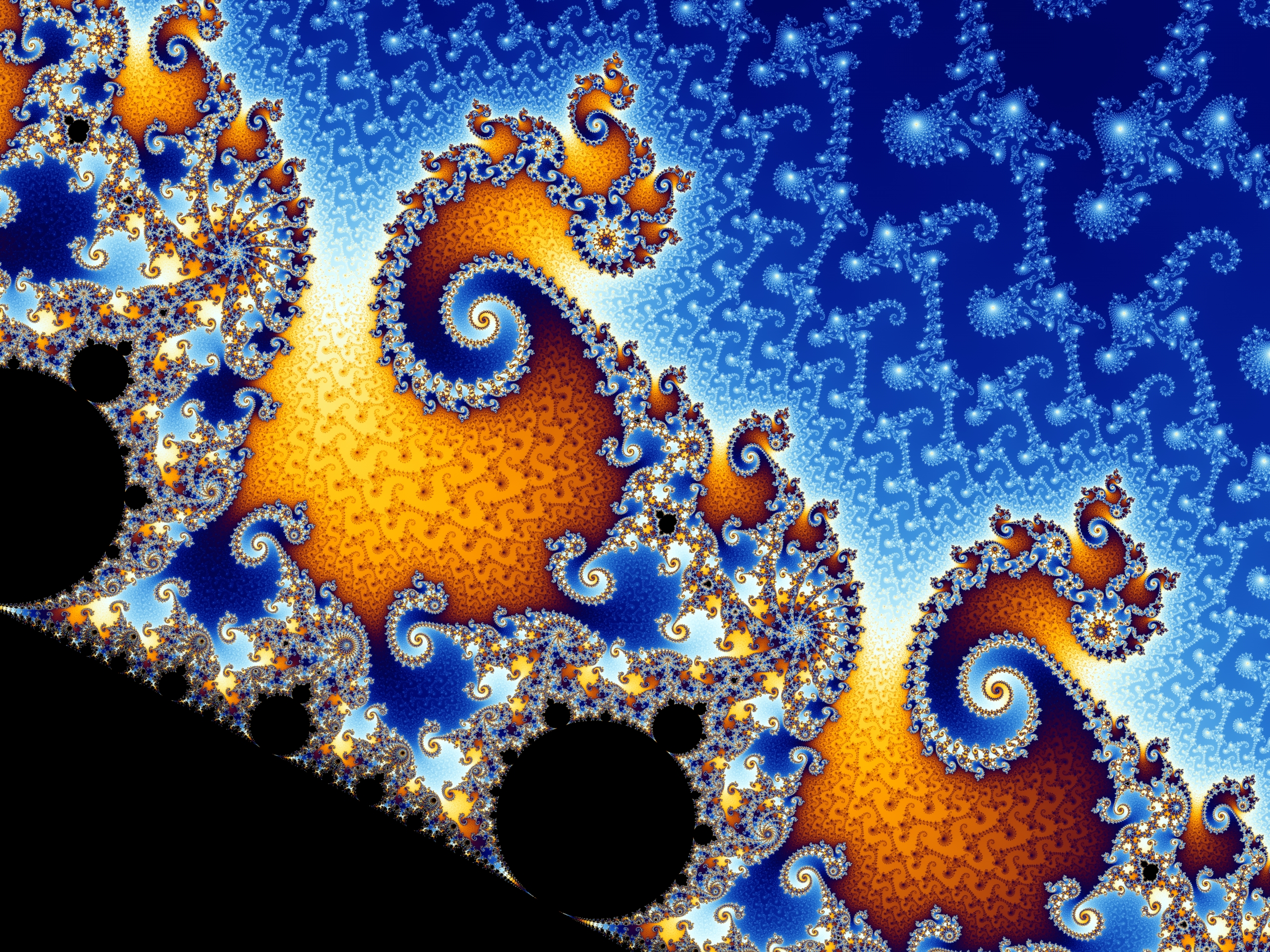
Mandelbrot Set (20th century)

Mathematics does not invent the spiral.

It asks a question:
does repetition remain bounded or diverge?

Each pixel is one execution.
The boundary shows where stability survives.

What computers render numerically,
earlier cultures encountered materially.

-----

Closing

Across nature and cultures,
the same condition appears:

repetition
memory
constraint
non-collapse

The spiral is not chosen.
It is what remains.

Stability comes first.
Computation comes later.
tweet_url
SHA-256